
Electrician search demand in Texas does not rise gradually. It surges when power outages, storms, and grid stress disrupt normal life. These events compress decision time and push homeowners from awareness to action within minutes.
During outages and severe weather, people do not research options the way they do for planned electrical work. They search to restore safety, power, and functionality as fast as possible. This urgency creates short, intense bursts of search activity and call volume rather than steady, predictable growth.
This article examines how outages, storms, and urgency shape electrician search demand across Texas, including major metros like Dallas, Austin, Houston, and San Antonio. Each section explains how external shock events change search behavior, timing, and lead flow without changing underlying long-term visibility.
Why power outages create sudden spikes in electrician search demand
Power outages trigger immediate electrician searches because they remove essential functionality without warning. When lights, appliances, or climate control stop working, homeowners cannot wait for gradual troubleshooting. Search becomes the fastest path to restoring normal conditions.
Unlike planned electrical work, outage-driven demand begins with uncertainty. Homeowners do not know whether the problem sits inside the home, on the service line, or within the wider grid. They search for electricians to diagnose and restore power, not to compare service options.
This uncertainty compresses timing. People search and act within the same short window because daily routines cannot continue without electricity. The result is a sharp, temporary surge in searches and calls that appears within minutes of an outage.
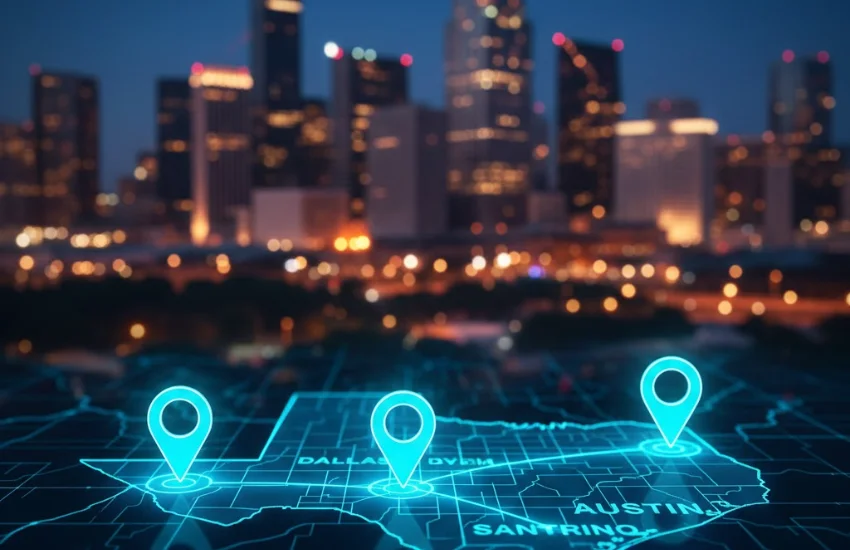
The effect concentrates geographically. When a neighborhood loses power, many households search at once. Demand does not spread evenly across the city. It clusters around the affected area, creating localized spikes rather than broad gradual increases.
In large Texas metros such as Dallas and Houston, this clustering becomes highly visible. A single grid disruption or storm-related outage can generate a dense pocket of urgent electrician searches while nearby areas remain normal.
These spikes do not indicate long-term growth in electrical demand. They reflect momentary loss of function. Once power is restored and immediate faults are addressed, search activity falls back toward baseline, even though overall visibility for electricians remains unchanged.
How storms and severe weather compress homeowner decision-making
Storms and severe weather shorten the time homeowners spend evaluating options. Wind, lightning, and flooding create visible electrical risks, so people move from noticing a problem to contacting an electrician almost immediately.
During storms, the goal is safety and restoration, not optimization. Homeowners skip extended comparison because waiting feels dangerous or disruptive. They choose a credible, available electrician rather than the most thoroughly researched one.
This compression changes search behavior. Queries become direct and action-oriented, and contact often follows the first satisfactory result. Reading reviews, comparing prices, or browsing multiple sites becomes secondary to fast response.
Decision compression also increases tolerance for uncertainty. Homeowners accept provisional diagnoses or temporary fixes to remove immediate risk. Detailed planning and broader upgrades get postponed until conditions stabilize.
In coastal and Gulf-exposed areas like Houston, repeated storm exposure reinforces this pattern. Residents expect outages and damage, so they act quickly when weather turns severe, creating short bursts of high-urgency calls.
Once the storm passes and hazards are contained, decision pace slows again. Follow-up work may continue, but the intense search-and-call window closes as soon as immediate safety returns.
Why outage-driven searches differ from planned electrical work searches
Outage-driven searches focus on restoration, while planned electrical work searches focus on improvement. During an outage, homeowners search to regain power and safety. During planned projects, they search to upgrade, expand, or modernize existing systems.
This difference changes intent depth. Outage searches start with a single question: who can fix this now. Planned work searches begin with broader evaluation around scope, timing, and budget. The first demands speed. The second allows comparison.
Outage searches also carry diagnostic uncertainty. Homeowners often do not know whether the fault sits in wiring, panels, breakers, or external supply. They contact an electrician to identify the problem. Planned searches usually begin with a defined task such as installing fixtures, panels, or circuits.
Because of this, outage-driven calls cluster tightly in time. Many households experience the same disruption and act together. Planned work distributes evenly because each project follows its own schedule.
In rapidly growing areas around Austin, planned electrical searches often relate to renovations and additions, which unfold over weeks or months. Outage searches, by contrast, appear suddenly and resolve quickly once service returns.
These two search types rarely overlap. One seeks immediate recovery from failure. The other seeks controlled improvement. Understanding the difference explains why electrician demand can surge sharply without indicating a long-term change in planned project volume.
How urgency shifts search behavior from research to immediate contact
Urgency turns search into a contact tool rather than an information tool. When electrical failure creates risk or loss of function, homeowners stop gathering options and start looking for the fastest way to reach a qualified electrician.
Under normal conditions, people read multiple listings, compare credentials, and evaluate scope. During urgent events, they scan quickly for signs of availability and credibility, then call. The search session becomes short and linear instead of exploratory.
This shift favors direct interaction. Phone calls replace form fills because conversation feels faster and more certain. Homeowners want confirmation that someone can arrive, not extended written estimates or planning discussions.
Urgency also reduces tolerance for delay inside the search results. Slow-loading pages, unclear service areas, or missing contact details cause immediate abandonment. The homeowner moves to the next visible option rather than trying to interpret incomplete information.
In dense metros like Dallas, visible competition accelerates this behavior. Homeowners assume another electrician is one tap away, so they commit to the first provider who answers clearly and responds quickly.
Once power is restored or hazards are removed, search behavior returns to a slower, evaluative mode for any follow-up work. The urgent phase ends, and the contact-first pattern disappears until the next disruption occurs.
Why event-driven electrician demand appears in short, intense bursts
Event-driven electrician demand concentrates into short bursts because outages and storm damage affect many homes at the same time. When disruption is shared, decisions synchronize. Large numbers of people search and call within the same narrow window.
These bursts are tied to restoration milestones. Demand rises sharply when power first drops, rises again when partial service returns but individual faults remain, and then declines once systems stabilize. Each phase produces its own mini-spike rather than a steady flow.
Unlike planned projects, there is no scheduling buffer. Homeowners cannot stagger action because the problem exists now. This removes the gradual lead buildup that normally smooths demand across days or weeks.
Geography further compresses the pattern. A single damaged feeder line or downed transformer can create a pocket of intense local demand while nearby areas remain unaffected. Search activity therefore looks jagged and localized, not citywide and even.
In grid-stressed periods affecting parts of Austin or Houston, restoration crews may re-energize zones in stages. Each restored zone releases a wave of electrician searches for lingering wiring or panel issues that only become visible after power returns.
Once the last faults are corrected and routines resume, demand quickly drops back to baseline. The burst ends not because interest fades, but because the shared disruption that synchronized action has been removed.
How grid strain and extreme heat change the timing of electrical searches
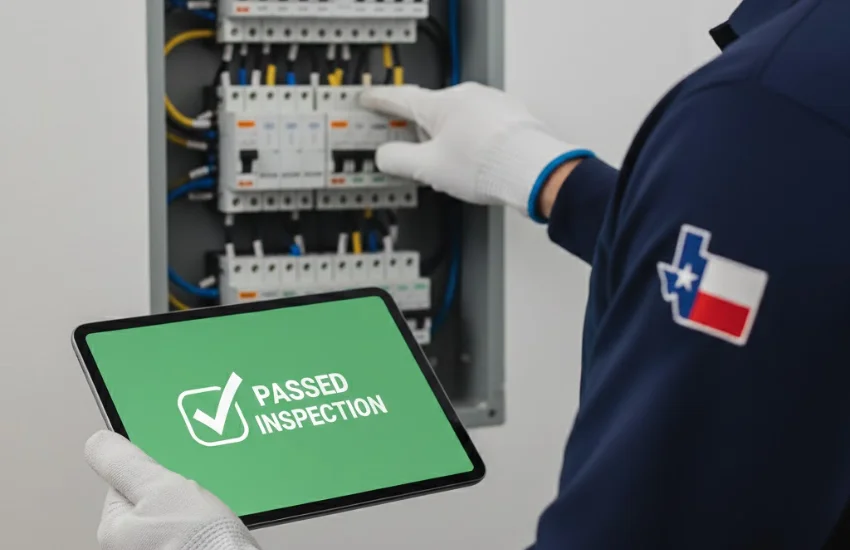
Periods of grid strain and prolonged extreme heat shift electrician searches from reactive repair to preventive intervention. When temperatures push electrical systems to their limits, homeowners notice breaker trips, dimming lights, and overloaded panels before a full outage occurs.
These warning signs trigger searches earlier in the failure cycle. Instead of waiting for a blackout, people look for an electrician to stabilize circuits, add capacity, or correct overheating components. Demand appears ahead of disruption rather than after it.
Heat-driven timing differs from storm-driven timing. Storms create sudden loss of power and immediate calls. Heat creates accumulating stress that produces staggered searches as individual homes reach their tolerance limit at different moments.
This pattern spreads demand across several days but still concentrates it around peak temperature periods. In Texas cities such as Dallas, Austin, Houston, and San Antonio, heat waves can generate rolling pockets of urgent electrical searches as transformers, panels, and wiring face sustained load.
Because the grid remains partially functional, homeowners often experience intermittent faults instead of total outages. They search to prevent escalation, not just to restore service. That preventive urgency brings calls forward in time.
Once temperatures normalize and electrical loads drop, search timing shifts back again. The early-warning phase ends, and electrician demand returns to a steadier rhythm tied to planned upgrades and routine repairs rather than heat-induced stress.
Why damage repair and safety inspection searches follow different urgency paths
Searches for damage repair and searches for safety inspection emerge from different risk perceptions. Damage repair begins when something has already failed. Safety inspection begins when homeowners fear something might fail.
Damage repair searches compress instantly. Exposed wiring, tripped main breakers, or burned components create visible danger. Homeowners look for an electrician to restore safe operation right away, which produces immediate calls and short decision cycles.
Safety inspection searches develop more gradually. Flickering lights, unusual smells, or warm outlets raise concern without stopping daily life. Homeowners search to verify safety before disruption occurs, so comparison and scheduling tolerance remain higher.
These two paths create different demand shapes. Repair-driven urgency clusters tightly around events such as storms or localized outages. Inspection-driven urgency spreads across days as individual households decide to act at different thresholds.
In expanding suburbs around San Antonio, post-storm repair searches can surge in hours, while follow-up inspection searches continue for weeks as residents reassess hidden damage. The first wave restores function. The second wave restores confidence.
Both paths originate from the same disruption, but they move at different speeds. Repair searches resolve immediate failure. Inspection searches manage residual risk. Together they explain why electrician demand spikes sharply and then tapers instead of stopping abruptly.
Why search visibility stays steady while electrician calls surge unpredictably
Search visibility for an electrician business usually changes slowly, while outage and storm events change demand instantly. Rankings, map presence, and organic listings remain relatively stable even as real-world conditions shift hour by hour.
When a disruption hits, many homeowners search at once and contact the same visible providers. The number of calls rises sharply, not because visibility improved, but because more people need immediate help at the same time.
This creates the appearance of sudden performance swings. In cities like Houston or Dallas, an unchanged search position can generate normal call levels one week and overwhelming call volume the next if a storm or outage affects large neighborhoods.
Once power is restored and hazards are removed, call volume drops back toward baseline while visibility stays in the same place. The fluctuation comes from external events, not from changes in rankings.
Understanding this separation prevents misreading demand spikes as SEO gains or drops as SEO losses. Visibility reflects long-term authority and relevance. Calls reflect short-term disruption and urgency.
Environmental and behavioral forces behind outage-driven electrician searches
Large-scale weather events and grid disruptions change how Texans recognize risk and seek help. These external forces explain why electrician demand concentrates into brief, high-pressure windows instead of flowing evenly over time.
How regional storm patterns trigger localized search surges
When severe storms move through parts of Texas, damage rarely spreads uniformly. Downed lines, blown transformers, or flooded equipment affect specific blocks or neighborhoods, causing tight geographic clusters of urgent searches for an electrician rather than citywide increases.
Why safety perception overrides price comparison during outages
During blackouts or visible electrical damage, homeowners prioritize restoring safe power over evaluating cost differences. Urgent searches focus on immediate availability and competence, which shortens comparison behavior and increases direct calls instead of extended research.
How neighborhood-level damage concentrates demand
A single damaged feeder or substation can push dozens of nearby homes to search at once. This shared disruption synchronizes behavior, producing sharp pockets of demand that overwhelm individual providers even though overall citywide search visibility remains unchanged.
Why urban and suburban areas experience different outage intensity
Dense urban grids can create high-volume but short-lived spikes when restoration is fast. Spread-out suburban areas often see staggered restoration, which releases waves of electrician searches over several days instead of one concentrated burst.
How outage and storm-driven electrician demand should be interpreted over time
Outage and storm-driven searches reflect moments of necessity, not permanent growth in everyday electrical demand. Spikes in calls show when large numbers of households lose normal function at once, while quieter periods show when that shared disruption has passed.
Steady search visibility paired with volatile call volume indicates stable long-term presence meeting short-term crisis behavior. For electricians in Dallas, Austin, Houston, and San Antonio, performance during these events measures responsiveness to sudden need, not changes in baseline market size.