
Pool builder leads take longer to close because pool construction is a high-ticket, high-risk, and highly customized purchase. Unlike short-cycle home services, pool projects require extended planning, financial commitment, and confidence in the builder before a homeowner is ready to proceed.
Homeowners researching custom or luxury pools often inquire months before they are ready to build. They explore designs, compare builders, evaluate costs, and align timelines with financing, permits, and household decisions. This creates a natural gap between first contact and contract signing.
In competitive markets such as Dallas, Austin, Houston, and San Antonio, this delay is amplified by strong builder competition and elevated buyer expectations. This article explains why pool builder leads close more slowly by examining buyer behavior, project complexity, and structural decision friction rather than sales execution issues.
Why Do Pool Builder Leads Have Longer Sales Cycles?
Pool builder leads have longer sales cycles because the purchase decision involves high financial risk, long timelines, and irreversible outcomes. Homeowners do not move from inquiry to contract quickly when the investment affects property value, lifestyle, and long-term maintenance.
Unlike emergency home services, pool construction is rarely urgent. Most leads enter the funnel during an exploration or validation phase, not at the point of immediate readiness. This naturally extends the time between first contact and commitment.
High-ticket projects also introduce multiple dependency steps—design finalization, budget confirmation, financing approval, permitting, and scheduling. Each step adds time and increases the likelihood of pauses or reassessment.
As a result, longer sales cycles are not a sign of poor lead quality. They reflect the structural reality of high-value construction buying behavior, where deliberation is expected before decisions are finalized.
How Does High-Ticket Pricing Slow Pool Project Decisions?
High-ticket pricing slows pool project decisions because financial commitment requires validation, comparison, and internal alignment before homeowners are comfortable proceeding. Pool projects often represent one of the largest discretionary investments a household makes.
When projected costs reach six figures, homeowners reassess priorities, financing options, and long-term value. Even motivated buyers pause to confirm affordability, evaluate return on lifestyle benefits, and compare scope variations that affect total cost.
Pricing also triggers multi-stage budgeting behavior. Homeowners may seek financing, adjust designs, or delay timelines to align with cash flow, seasonal considerations, or broader home improvement plans.
This financial gravity extends decision timelines by design. The delay reflects responsible risk evaluation, not hesitation caused by lack of interest or poor lead intent.
How Do Design and Customization Extend the Pool Buying Process?
Design and customization extend the pool buying process because each decision affects cost, construction complexity, and long-term usability. Custom pools are not standardized products; they are tailored to property layout, homeowner preferences, and local constraints.
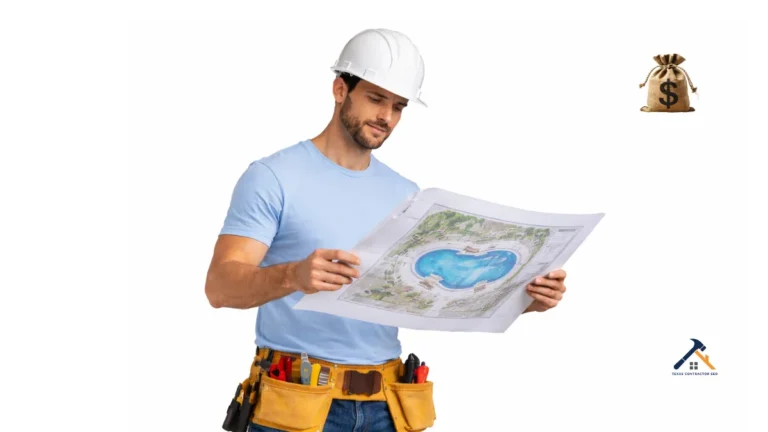
Homeowners evaluate multiple design elements, including shape, depth, materials, features, and surrounding hardscape. Each adjustment requires revisions, pricing updates, and additional consideration, which lengthens the decision timeline.
Design decisions also intersect with regulatory and site-specific factors such as zoning, setbacks, drainage, and access. These variables introduce additional planning steps that delay final commitment.
Extended design cycles reflect the desire for precision rather than indecision. Homeowners delay closing because they want confidence that the final design matches their expectations and budget, not because they lack intent.
Why Are Pool Leads Often Early-Stage When They First Inquire?
Pool leads are often early-stage because homeowners initiate contact during feasibility and validation, not at the point of purchase readiness. For high-ticket pool projects, inquiry marks the beginning of the decision process, not the end of it.
Most homeowners contact pool builders to understand whether a pool is viable on their property, what approximate budgets look like, and how design choices affect cost and timelines. This initial outreach is exploratory and precedes emotional and financial commitment.
Early-stage behavior is reinforced by the irreversibility of pool construction. Because mistakes are expensive and permanent, homeowners seek information early to reduce future risk. They use initial inquiries to eliminate unknowns before moving toward selection.
High-ticket projects also trigger future-oriented planning. Homeowners may inquire months in advance to align construction with financing, permitting windows, seasonal timing, or broader home renovation plans. The lead is real, but the readiness is intentionally delayed.
Early-stage pool leads are therefore structurally normal and commercially valuable. They represent homeowners progressing through a long decision arc, not low-quality inquiries. Websites and SEO strategies that assume immediate readiness misinterpret buyer intent and undervalue long-cycle demand.
How Do Financing, Permits, and Timelines Delay Pool Closures?
Financing, permits, and timelines delay pool closures because they introduce external dependencies that must be resolved before a homeowner can commit. Even when interest is strong, these factors sit outside the builder’s control and slow decision progression.
Financing often requires additional steps for high-ticket projects. Homeowners may explore home equity options, construction loans, or staged payments, each of which involves approvals, documentation, and timing considerations that extend the closing window.
Permitting and local regulations add uncertainty. Zoning rules, setback requirements, drainage reviews, and inspection schedules vary by jurisdiction and can pause momentum while homeowners wait for confirmation that a project is approved.
Timelines also influence commitment. Homeowners align pool construction with seasons, household schedules, and builder availability. If ideal start dates are months away, contract decisions are often deferred until timing becomes clearer.
These delays do not indicate weak intent. They reflect the procedural reality of high-ticket construction, where readiness depends on coordination between financial, regulatory, and scheduling constraints rather than urgency alone.
Why Do Pool Buyers Compare Multiple Builders Before Committing?
Pool buyers compare multiple builders because the perceived risk of making the wrong choice is high and irreversible. Pool construction affects property value, long-term maintenance, and daily use, which elevates the need for validation before commitment.
Homeowners use comparisons to evaluate design capability, build quality, communication clarity, and pricing transparency. Reviewing multiple proposals helps them understand trade-offs between features, timelines, warranties, and total project cost.
Comparison behavior is intensified in competitive markets where several reputable builders operate. Buyers delay commitment to confirm alignment with their expectations and to reduce uncertainty, not because intent is weak.
This evaluation phase extends closing timelines but increases decision confidence. Pool leads close later because buyers wait until they identify the best-fit builder, not the first available option.
How Does Trust and Risk Perception Affect Pool Builder Close Rates?
Trust and risk perception directly affect pool builder close rates because pool construction is a permanent, high-cost decision with limited reversal options. Homeowners delay commitment until they feel confident the builder can deliver exactly what is promised.
Unlike low-ticket services, pool projects expose homeowners to financial, structural, and aesthetic risk. Concerns about cost overruns, construction quality, delays, and long-term maintenance increase the threshold of trust required before signing a contract.
Homeowners evaluate trust through past project evidence, communication consistency, transparency in pricing, and professional credibility. If any of these signals feel incomplete, buyers pause rather than proceed, even when interest is strong.
Risk perception also accumulates over time. Buyers often need multiple interactions, clarifications, and validations before confidence outweighs uncertainty. Longer closing timelines reflect trust-building progression, not weak lead intent.
Pool leads close later because trust must reach a higher certainty level than in short-cycle services. Builders who recognize this dynamic maintain engagement without forcing urgency, allowing decisions to mature naturally.
What Role Does Market Competition Play in Closing Pool Leads?
Market competition slows pool lead closure by expanding homeowner choice and increasing evaluation standards. When multiple qualified builders operate in the same market, buyers take more time to compare options and validate differences.
Competitive environments raise the proof threshold. Homeowners scrutinize portfolios, timelines, warranties, and communication quality to distinguish between builders that appear similar on the surface. This additional validation extends the decision window.
Competition also introduces availability and scheduling constraints. Well-regarded builders may have longer backlogs, prompting homeowners to reassess timing or continue evaluating alternatives before committing.
Longer close times in competitive markets reflect deliberate selection behavior, not weak demand. Buyers slow down to reduce risk and ensure alignment, which naturally extends sales cycles for high-ticket pool projects.
How structural and behavioral forces lengthen pool builder lead closing timelines
Pool builder leads take longer to close because the buying process depends on high-ticket risk evaluation, design finalization, financing readiness, regulatory approval, and trust formation, not urgency. These structural and behavioral forces determine when homeowners can commit, causing long gaps between initial inquiry and contract signing even when intent is strong.
Is It Normal for Pool Leads to Take Months to Close?
Yes. Pool leads commonly take months to close because the decision involves design finalization, financing alignment, permitting approval, and trust validation. The timeline reflects responsible planning for a permanent, high-cost project rather than lack of homeowner intent.
Do High-Intent Pool Leads Still Close Slowly?
Yes. Even high-intent pool leads close slowly because intent does not eliminate structural dependencies. Homeowners may be committed to building a pool but still need time to finalize designs, secure financing, and coordinate construction timing before signing contracts.
Can SEO-Generated Pool Leads Close Faster Than Ads?
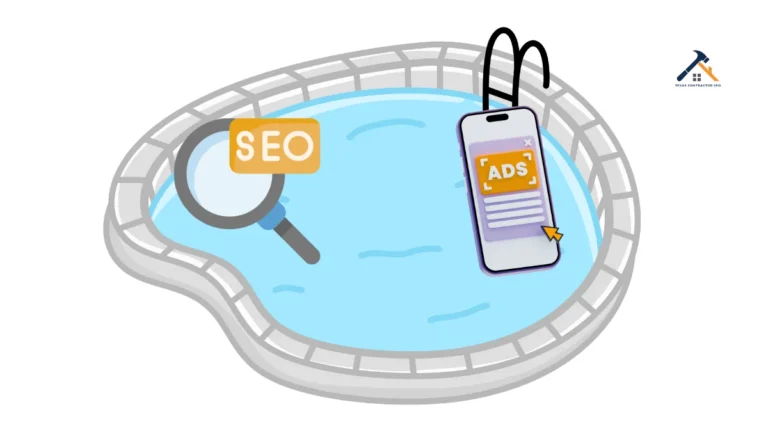
Often, yes. SEO-generated pool leads tend to be better informed and further along in research. These homeowners usually understand pricing ranges and project scope, reducing early-stage friction compared to ad-driven leads that enter the funnel prematurely.
Does Location Affect Pool Lead Timelines?
Yes. Local regulations, permitting speed, seasonal construction windows, and market competition all influence how quickly pool leads close. In highly regulated or competitive areas, homeowners take additional time to confirm feasibility and builder availability.
When Should Pool Builders Re-Qualify or Disengage Leads?
Re-qualification should occur when timelines stall without progress on design, budget, or permitting. Disengagement decisions should be based on readiness indicators and responsiveness, not simply elapsed time, since long cycles are normal for high-ticket pool projects.
How long decision cycles define pool builder lead conversion outcomes
Pool builder leads take longer to close because the buying decision unfolds across risk evaluation, design certainty, financial readiness, regulatory clearance, and trust formation, not because of weak intent. For high-ticket, permanent projects, inquiry marks the start of deliberation rather than readiness to commit.
Throughout this process, homeowners move deliberately as dependencies resolve over time. Design revisions, financing alignment, permit confirmation, market comparison, and confidence-building interactions each contribute to delayed closure, even when interest remains consistent.
Viewed holistically, longer closing timelines reflect the structural reality of high-value construction decisions. Pool builders leads convert slowly because buyers prioritize certainty over speed, making extended sales cycles a natural outcome of responsible, high-stakes decision-making rather than a failure of demand or lead quality.