
Concrete & Masonry SEO in Texas: How Search Visibility Turns Into Real Build Work
Concrete and masonry demand in Texas is driven by construction cycles, structural wear, and property upgrades. Searches range from small flatwork repairs to large pours and masonry builds. Consistent search visibility determines which contractors are considered when homeowners, builders, and developers plan durable, long-term projects.


Trusted by industry experts
4.9
How Search Intent Splits Into Different Concrete and Masonry Job Types
Concrete and masonry searches in Texas separate by scale, durability needs, and budget. Quick queries for crack repair or small flatwork signal lower-ticket, fast-start jobs. Broader searches for driveways, foundations, retaining walls, or structural masonry indicate high-ticket projects with longer planning and permitting timelines.
Intent also divides residential and commercial work. Homeowners focus on patios, sidewalks, and repairs, while builders and property managers search for slabs, block work, and load-bearing masonry tied to construction schedules.
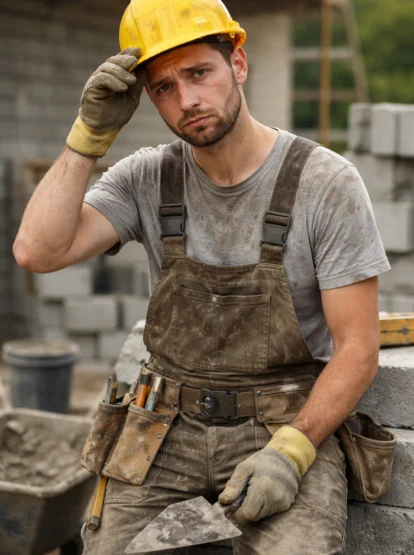
How Concrete and Masonry Demand Changes Across Texas Regions
Concrete and masonry search behavior shifts across Texas due to soil movement, climate stress, and building styles. These regional factors influence whether buyers search for repairs, reinforcement, or full new pours.
North Texas –
Dallas
Expansive clay soils drive frequent searches for crack repair, leveling, and foundation-related flatwork.
Gulf Coast – Houston
Moisture and flooding concerns increase demand for reinforced slabs, drainage-integrated concrete, and masonry durability.
Central Texas –
Austin
Rocky terrain and design-focused builds lead to searches for custom flatwork and structural masonry.
South Central Texas – San Antonio
Rapid growth fuels steady demand for driveways, sidewalks, retaining walls, and new construction pours.
How Seasonality and Planning Cycles Affect Concrete and Masonry Visibility
Concrete and masonry demand in Texas follows construction schedules and weather windows. Projects slow during extreme heat or heavy rain, while planning and permitting create delayed but high-value conversions later.
Weather-Limited Pour Windows
Extreme heat, rain, or cold pauses active pours, reducing short-term search volume despite ongoing project planning.
Construction and Development Cycles
New builds and infrastructure work create search spikes when projects are approved and scheduled to begin.
Long Planning and Cure Timelines
Many projects are researched months ahead, producing quiet periods before large pours or masonry builds start.
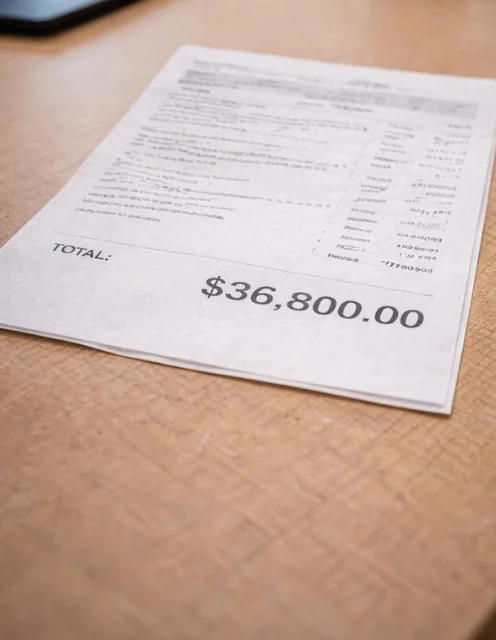
How Rankings Turn Into Real Concrete and Masonry Jobs and Revenue
Concrete and masonry visibility converts based on project size and construction timing. Small repair terms lead to quick starts and lower tickets, while flatwork and structural searches create longer bid cycles but much higher contract values.
Crack repair and small flatwork: fast approvals, short timelines, lower-ticket jobs
Driveways, patios, and retaining walls: mid to high ticket, planning-driven decisions
Foundations and structural masonry: highest value, fewer leads, multi-phase projects
Because large pours are planned well in advance, a single high-ticket project can outweigh months of smaller repair work.
Why Ranking for Concrete and Masonry Searches Is Structurally Difficult in Texas
Concrete and masonry buyers look for durability, experience, and proven results, not quick promises. Search results are crowded with long-established contractors, and proximity plays a major role when projects require site visits and heavy equipment.
Crowded Local Competition
Many markets have numerous concrete and masonry contractors competing for the same flatwork and structural keywords.
Proximity and Job-Site Access Pressure
Map results favor contractors close to the project site, especially for large pours and equipment-heavy jobs.
High Proof and Experience Requirements
Buyers expect photos of completed pours, structural work, and long-lasting results before making contact.
Project Timing and Bid Complexity
Long planning, permitting, and coordination cycles delay conversions even when visibility is strong.
Concrete & Masonry SEO in Major Texas Markets
Concrete and masonry demand exists statewide, but soil conditions, moisture exposure, and development patterns change how search visibility converts into real projects in each metro. Competition and project mix vary significantly by market.
What Stable, Long-Term Concrete and Masonry Visibility Looks Like
Concrete and masonry demand in Texas follows construction pacing rather than daily urgency. Quiet stretches are common while projects are planned, permitted, or scheduled. Consistent visibility supports future work that materializes in larger, higher-value builds instead of constant small jobs.
Short Bursts of Active
Pour Work
Heat waves and outages trigger clusters of urgent repair jobs within short timeframes.
Steady Background Planning Activity
Builders and property owners research materials, timelines, and contractors well in advance.
Large Projects After Extended Gaps
Long low-activity periods can convert into major flatwork, foundation, or masonry contracts.
Ready to Pour a Solid Foundation?
Stop chasing small repairs. Build a lead machine that brings you high-volume
flatwork and commercial contracts.