
Contractors often compare SEO and Google Ads by looking at lead volume, speed, or cost per click. When Ads generate calls faster, they’re assumed to be better. When SEO takes longer, it’s seen as slower or less effective. But those comparisons usually miss the most important question: which channel actually brings better jobs.
SEO and Google Ads attract homeowners at very different stages of decision-making. One captures immediate intent, often driven by urgency. The other influences earlier evaluation, comparison, and trust-building. Both can produce leads, but the type of job, the seriousness of the buyer, and the likelihood of long-term value are not the same.
This article breaks down contractor SEO vs Google Ads by focusing on outcomes, not tactics. Instead of asking which channel gets more clicks, it explains how each channel shapes intent, trust, timing, and job quality—and why “better” depends on what kind of work a contractor actually wants.
Table of Contents
How Contractor SEO vs Google Ads Attract Different Types of Jobs
Contractor SEO vs Google Ads attract different types of jobs because they engage homeowners at different decision stages. Google Ads typically intercept demand that already exists. When someone clicks an ad, they are often reacting to an immediate need or a clear problem. The job is defined, the timeline is compressed, and the decision is focused on availability and speed.
SEO operates earlier in the decision cycle. Homeowners using organic search are often researching, comparing, and validating options before committing. This behavior attracts jobs that involve planning, evaluation, and higher perceived risk. SEO visibility helps shape the shortlist rather than trigger instant action.
These differences influence job structure. Ads tend to produce more transactional work—repairs, replacements, or urgent services. SEO tends to surface opportunities that require explanation, trust, and alignment. Neither channel is inherently better, but they serve different kinds of demand.
Understanding this separation prevents false comparisons. When contractors judge both channels by lead speed alone, SEO appears slower. When judged by job depth and decision maturity, SEO often plays a larger role in higher-value, better-aligned work.
Why Job Intent Quality Differs Between Contractor SEO and Google Ads
Job intent quality differs between contractor SEO and Google Ads because how a homeowner enters the search experience shapes what they are ready to commit to. Google Ads interrupt demand. SEO accompanies it. That difference changes intent depth long before contact happens.
With Google Ads, homeowners often respond to what is immediately visible. The click is prompted by urgency, promotion, or placement rather than by evaluation. This produces high intent in the moment, but that intent is frequently narrow—focused on solving a single problem quickly rather than committing to a broader scope of work.
SEO-driven intent develops through exploration. Homeowners engage with organic results while comparing options, reading about services, and assessing credibility. By the time they reach out, their intent is often more informed and deliberate. This tends to produce jobs that align better with expectations, timelines, and budget readiness.
Because intent quality differs, outcomes differ. Ads generate speed and volume. SEO generates context and confidence. Contractors who expect identical job quality from both channels often misinterpret what each is designed to deliver.
How Timing and Urgency Separate Contractor SEO vs Google Ads Results
Timing and urgency are the clearest dividing lines between contractor SEO vs Google Ads. Google Ads capture immediate intent (searches driven by urgency or time pressure). When something breaks or a decision must be made quickly, ads intercept that moment and convert attention into fast action.
SEO operates on a longer timeline. Organic search often appears earlier, when homeowners are still framing the problem or exploring options. These searches are not always urgent, but they are foundational. SEO shapes who becomes familiar, who feels credible, and who remains top-of-mind when urgency eventually arrives.
Urgency also compresses decision criteria. In ad-driven situations, availability and speed often outweigh trust depth or long-term fit. In SEO-driven journeys, homeowners have time to evaluate reputation, experience, and alignment. This leads to different job outcomes, even when the service category is the same.
Because of this separation, contractors often see ads perform better during urgent demand spikes, while SEO contributes more consistently to planned or higher-consideration work. The channels are responding to different clocks. Comparing them without accounting for timing leads to distorted conclusions about which one “works better.”
Why Trust and Credibility Affect SEO Jobs More Than Ad Jobs
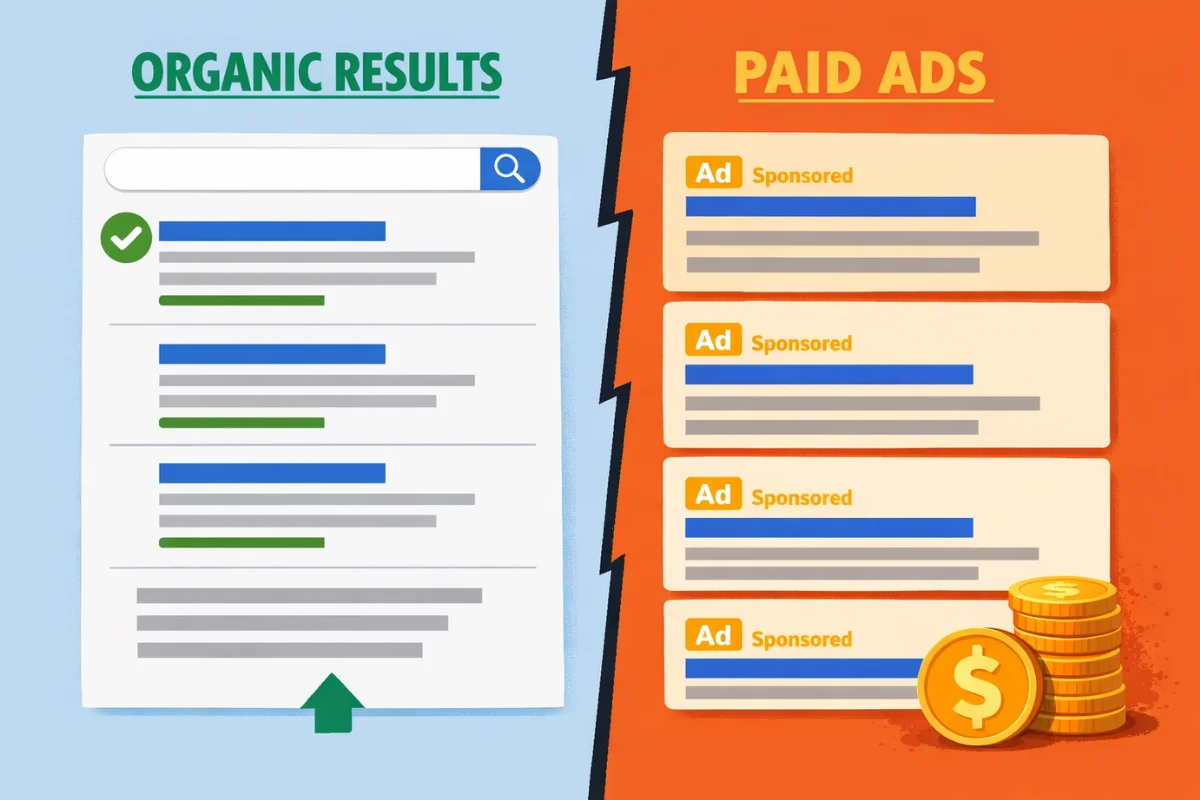
Trust and credibility affect SEO jobs more than ad jobs because organic visibility implies earned relevance, not paid placement. When homeowners encounter a contractor through SEO, the presence feels validated by search engines rather than sponsored by budget. That perception changes how risk is evaluated, especially for larger or more complex jobs.
With Google Ads, homeowners understand that placement is purchased. While this doesn’t invalidate the contractor, it narrows trust expectations. Ads work well when urgency overrides caution, but they rarely establish deep confidence on their own. As a result, ad-driven jobs are more likely to be transactional or price-sensitive.
SEO-driven discovery supports progressive trust building. Homeowners may encounter the same contractor across multiple searches, pages, or local results before reaching out. This repeated exposure reinforces legitimacy and reduces uncertainty, which is critical for jobs that involve disruption, long timelines, or higher financial commitment.
Because trust is cumulative, SEO often contributes more to jobs where credibility matters as much as capability. Ads can trigger action quickly, but SEO shapes belief over time. That difference explains why SEO-attributed jobs often feel more aligned, better scoped, and easier to close—even if they take longer to materialize.
How Attribution Bias Distorts Contractor SEO vs Google Ads Comparisons
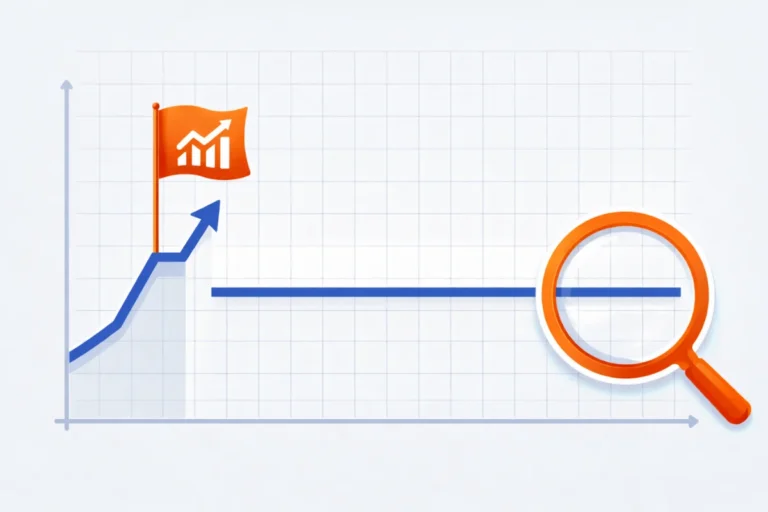
Attribution bias distorts contractor SEO vs Google Ads comparisons because the last visible click is mistaken for the true cause of the job. Google Ads often receive credit simply because they appear at the moment of action, while SEO’s earlier influence goes unrecognized. This creates a skewed view of which channel “worked.”
SEO frequently introduces the contractor long before contact happens. Homeowners may research, compare, and build familiarity through organic search over days or weeks. When urgency finally triggers a call—sometimes through an ad or a branded search—the final interaction gets credit, even though SEO shaped the decision environment earlier.
Ads benefit from temporal proximity. Because they appear closer to the conversion moment, they look more effective in reports. SEO suffers from attribution lag (the delay between early influence and final credit), which makes its contribution harder to measure and easier to undervalue.
This bias leads contractors to overinvest in what appears to convert fastest and undervalue what actually improves job quality. Without understanding attribution distortion, contractor SEO vs Google Ads comparisons become about visibility timing—not about which channel truly influenced the job.
When Contractor SEO Outperforms Google Ads—and When It Doesn’t
Contractor SEO outperforms Google Ads when jobs require trust, planning, and informed decision-making. For projects that involve higher budgets, longer timelines, or greater disruption, SEO’s ability to influence consideration early often leads to better-aligned outcomes. These jobs may take longer to close, but they tend to be clearer, more stable, and less price-driven.
Google Ads outperform SEO when speed and urgency dominate. Emergency repairs, last-minute decisions, or time-sensitive issues favor ads because they capture intent at its peak. In these situations, the ability to appear instantly matters more than long-term credibility building.
Neither channel is universally better. Performance depends on the type of work, how homeowners search for it, and what matters most at the moment of decision. Contractors who expect one channel to replace the other often misjudge both.
Understanding these boundaries reframes the comparison. Contractor SEO vs Google Ads is not a competition—it’s a differentiation of roles. Each channel excels under specific conditions, and outcomes improve when expectations align with how each one actually functions.
Why Contractors Misjudge Which Channel Brings Better Jobs
Contractors often misjudge which channel brings better jobs because they compare SEO and Google Ads using speed-based metrics instead of outcome quality. Leads are counted, clicks are measured, and response time is prioritized, while job alignment and long-term value are overlooked. This creates a bias toward whatever produces immediate activity.
Is contractor SEO better than Google Ads for jobs?
Contractor SEO can be better than Google Ads for jobs that require trust, planning, and evaluation. SEO supports earlier decision stages, which often leads to clearer expectations and better-aligned work. Google Ads may deliver faster action, but not always better outcomes.
Why do Google Ads bring faster but lower-quality jobs?
Google Ads bring faster but often lower-quality jobs because they capture urgency rather than deliberation. When speed matters most, homeowners prioritize availability over fit. This produces quick decisions, but also more price sensitivity and less commitment depth.
Does contractor SEO bring better jobs than Google Ads?
Contractor SEO often brings better jobs when job quality is defined by scope clarity, readiness, and long-term value. SEO allows homeowners to self-qualify through research before reaching out. The result is fewer but more intentional opportunities.
How should contractors compare contractor SEO vs Google Ads?
Contractors should compare contractor SEO vs Google Ads based on job outcomes, not lead volume. Evaluating which channel produces work that closes smoothly, aligns with capacity, and meets expectations provides a more accurate comparison than click-based metrics.
What Contractor SEO vs Google Ads Really Means for Job Quality
The difference between contractor SEO and Google Ads is not about which channel is stronger—it’s about when and how each one influences decisions. Google Ads excel at capturing demand in the moment. SEO excels at shaping demand before that moment arrives.
When contractors expect both channels to behave the same way, results feel inconsistent. Ads look efficient but volatile. SEO feels slower but more stable. These are not flaws; they are characteristics of how each channel interacts with intent and trust.
Understanding this distinction reframes the debate. Contractor SEO vs Google Ads is not a binary choice. It is a question of alignment between the kind of work a contractor wants and the kind of demand each channel attracts. When evaluated through that lens, the answer becomes clearer—and more useful.