
HVAC companies rely on two primary digital demand channels: organic search visibility and paid advertising. While both can generate leads, they behave very differently depending on seasonality, urgency, and homeowner intent.
During peak heating and cooling seasons, PPC can capture immediate demand but often at rising costs and mixed intent. In the off-season, SEO continues to influence research, planning, and brand trust even when paid demand slows. These differences affect not only lead volume, but also lead quality, cost stability, and long-term growth.
This article compares HVAC SEO and PPC by examining how each channel performs across peak and off-season cycles. It explains how homeowners search in different demand periods, how costs and intent shift, and why HVAC companies experience very different outcomes depending on which channel they rely on—and when.
What Are the Core Differences Between HVAC SEO and PPC?
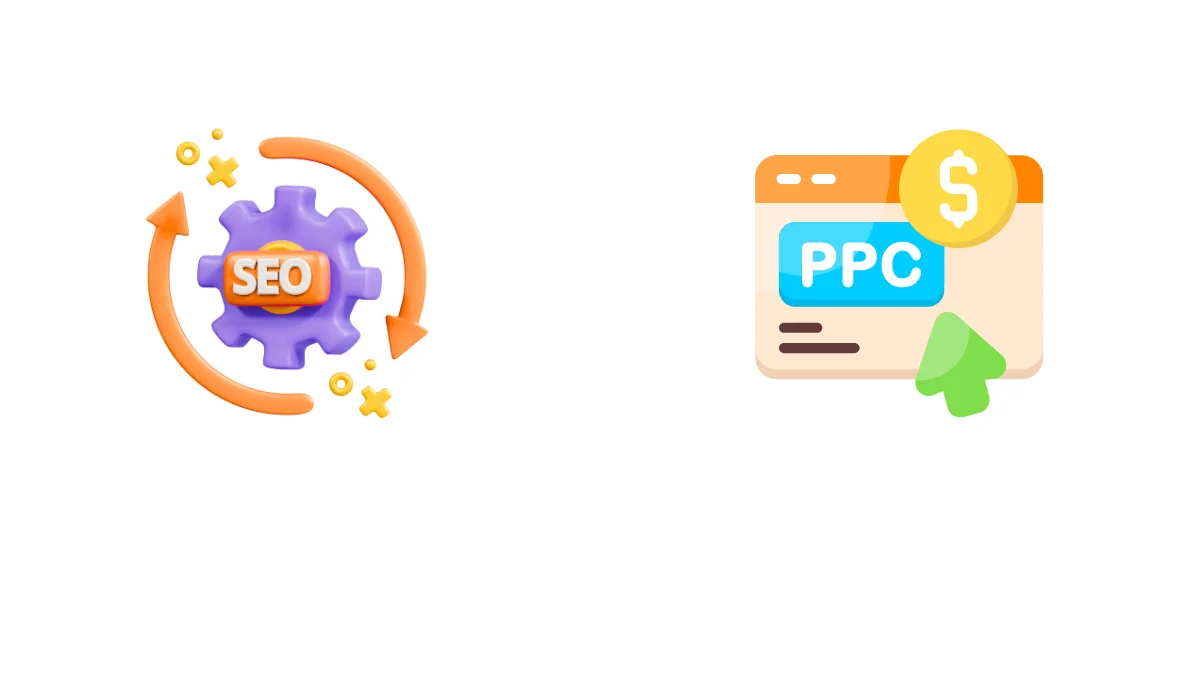
The core difference between HVAC SEO and PPC lies in how demand is captured and how long its effects last. SEO earns visibility by aligning with homeowner search behavior over time, while PPC purchases visibility for as long as ads are funded.
HVAC SEO places a company in front of homeowners who are actively researching heating and cooling services. Visibility is built gradually as search engines evaluate relevance, local signals, and trust. Once established, this presence persists across seasons without requiring constant spend.
PPC delivers immediate exposure by placing ads at the top of search results or within local ad units. While this allows HVAC companies to appear instantly, visibility stops as soon as budgets are paused. Lead flow is therefore tied directly to ongoing ad spend.
These differences matter most in HVAC because demand fluctuates with weather. SEO creates a baseline of discoverability that carries through peak and off-season periods, while PPC reacts to demand spikes but resets when conditions change.
How Does HVAC SEO Perform During Peak Season?
HVAC SEO performs during peak season by amplifying existing demand, not by creating urgency. When extreme temperatures drive homeowners to search for immediate heating or cooling services, established organic visibility converts that demand into consistent inbound calls.
During peak season, search volume rises sharply for service-related and emergency queries. HVAC companies with strong SEO presence benefit from this surge without increasing spend, because rankings and local visibility are already in place when urgency appears.
Organic results also carry higher trust during high-stress situations. Homeowners dealing with system failures are more likely to click familiar or authoritative listings rather than unfamiliar ads, especially when time is limited.
SEO performance during peak season reflects work done months earlier. The channel rewards preparation, allowing HVAC companies to capture peak demand efficiently instead of competing aggressively for short-term visibility.
How Does PPC Perform During Peak HVAC Season?
PPC performs during peak HVAC season by intercepting urgent demand, but at a rapidly increasing cost. As extreme weather drives more homeowners to search for immediate service, competition for paid placements intensifies.
During peak season, HVAC-related keywords attract more advertisers, which raises cost-per-click and compresses margins. While ads can generate quick visibility, lead quality often varies because urgency attracts both serious service needs and price-checking behavior.
PPC is effective at capturing late-stage and emergency searches, but performance depends heavily on budget flexibility and real-time optimization. When bidding pressure rises, maintaining consistent visibility requires higher spend and faster response systems.
Peak-season PPC favors speed over sustainability. It delivers immediate leads, but those leads disappear as soon as campaigns are paused, making PPC a reactive tool rather than a compounding growth channel during high-demand periods.
How Does HVAC SEO Perform During the Off-Season?
HVAC SEO performs during the off-season by maintaining visibility while homeowner intent shifts from urgency to preparation. Even when immediate repair demand declines, search activity continues around maintenance, system performance, and future replacements.
During off-season periods, homeowners research preventive services, efficiency improvements, and contractor credibility. SEO allows HVAC companies to remain discoverable during this quieter phase, influencing decisions before urgency returns.
Off-season SEO strengthens topical authority and local relevance. Content, service pages, and local signals are processed and evaluated by search engines without the noise of peak-season competition, positioning the site for stronger performance later.
This period is when SEO compounds. While lead volume may dip temporarily, relevance, trust, and ranking stability improve—ensuring HVAC companies are visible when demand surges again.
How Does PPC Perform During the HVAC Off-Season?
PPC performance during the HVAC off-season is shaped by lower urgency and shifting homeowner priorities. Search volume declines for emergency services, and remaining queries often reflect planning, comparison, or maintenance rather than immediate action.
With fewer advertisers competing, cost-per-click may decrease, but lead intent also softens. Many off-season PPC clicks come from homeowners gathering information or delaying decisions until peak weather returns, which can extend sales cycles.
Off-season PPC is often used to maintain visibility or test messaging, rather than drive high-volume conversions. Campaigns focused on inspections, tune-ups, or early replacements perform better than emergency-focused ads during this period.
Unlike SEO, PPC does not compound during the off-season. When budgets are paused, visibility disappears, making off-season PPC a tactical choice rather than a foundational growth channel.
How Do Cost Structures Differ Between HVAC SEO and PPC?
The cost structures of HVAC SEO and PPC differ because SEO concentrates investment over time, while PPC requires continuous spending to maintain visibility. This distinction affects budgeting predictability and long-term efficiency.
HVAC SEO involves upfront and ongoing investment in relevance, content depth, and local signals. As visibility improves, cost per qualified lead typically decreases, because rankings continue to generate traffic without proportional increases in spend.
PPC costs scale directly with demand and competition. During peak seasons, bidding pressure increases and cost per click rises, often without a corresponding increase in lead quality. When budgets are reduced or paused, lead flow stops immediately.
For HVAC companies, this means SEO provides cost stability across seasons, while PPC introduces volatility. Over time, SEO shifts spend from recurring acquisition costs to sustained visibility, whereas PPC remains transactional by design.
How Do Lead Quality and Intent Differ Between HVAC SEO and PPC?
Lead quality and intent differ between HVAC SEO and PPC because the homeowner’s mindset is formed before the click in SEO, but often after the click in PPC. This difference becomes more pronounced across peak and off-season cycles.
SEO leads usually come from homeowners who have already researched their problem, evaluated service options, and confirmed local availability. By the time they contact an HVAC company, expectations around pricing, timelines, and service scope are more aligned. This produces fewer but better-qualified inquiries.
PPC leads arrive with mixed intent. During peak season, urgency can produce high call volume, but many inquiries are driven by price comparison or availability checks rather than commitment. In the off-season, PPC clicks often reflect early-stage research rather than readiness to schedule service.
Because HVAC services are time-sensitive, intent alignment matters more than volume. SEO consistently attracts homeowners closer to decision, while PPC captures a broader range of intent that requires additional filtering and follow-up before conversion.
How Does Buyer Trust Differ Between Organic Search and PPC Results?
Buyer trust differs between organic search and PPC results because organic visibility is perceived as earned relevance, while paid placements are understood as sponsored exposure. This distinction influences how homeowners evaluate HVAC providers, especially during high-stress situations.
Organic listings benefit from implicit credibility signals. Rankings, local map presence, reviews, and consistent visibility suggest that a company is established and trusted by others in the area. Homeowners often interpret this as reduced risk when selecting a provider.
PPC results require trust to be built after the click. Because homeowners know ads are paid for, credibility must be established quickly through messaging, proof, and responsiveness. Any friction—unclear availability, weak reviews, or delayed response—can erode confidence.
In HVAC, where urgency and reliability matter, trust influences conversion speed. Organic search often shortens the trust-building process, while PPC must overcome initial skepticism before a homeowner commits.
When Does It Make Sense to Combine HVAC SEO and PPC?
Combining HVAC SEO and PPC makes sense when the goal is to balance long-term stability with short-term demand capture. Each channel supports different stages of homeowner intent and different seasonal conditions.
SEO provides continuous visibility across research, comparison, and decision phases. PPC can supplement this foundation by capturing time-sensitive or highly competitive searches, especially during peak weather events when urgency spikes and organic competition intensifies.
A combined approach is most effective when PPC is used selectively, not as a replacement for SEO. Ads can fill temporary gaps—such as new service areas, seasonal promotions, or emergency surges—while SEO maintains consistent presence before and after those moments.
For HVAC companies, the combination works best when SEO remains the core acquisition channel and PPC is layered strategically. This prevents dependency on fluctuating ad costs while still allowing flexibility to respond to changing demand patterns.
Which Channel Is More Sustainable for HVAC Companies Over Time?
HVAC SEO is more sustainable over time because it creates persistent visibility that is not tied to daily spending decisions. Once organic rankings and local trust signals are established, they continue influencing homeowner choices across seasons.
SEO supports long-term growth by aligning with how homeowners search repeatedly—during emergencies, maintenance planning, and future replacements. This continuity allows HVAC companies to benefit from demand cycles without rebuilding visibility each season.
PPC, by contrast, is sustainable only as long as budgets remain active. While it can deliver short-term volume, it does not accumulate lasting visibility or trust. Each pause in spending resets exposure, making PPC a reactive channel rather than a durable one.
Over time, sustainability favors channels that compound relevance and trust. HVAC SEO provides that compounding effect, while PPC remains useful as a supplemental tool for targeted, time-bound demand.
How do seasonal homeowner behavior patterns influence HVAC lead reliability across SEO and PPC?
HVAC lead reliability is shaped by how homeowners respond to urgency, weather-driven demand, and planning cycles throughout the year. Seasonal shifts affect not only search volume, but also intent strength, cost volatility, and how consistently SEO and PPC convert across peak and off-season periods.
Is HVAC SEO Slower Than PPC to Produce Leads?
Yes, HVAC SEO takes longer to produce initial leads because visibility must be earned. However, once established, it delivers more consistent and cost-stable leads than PPC.
Does PPC Work Better for Emergency HVAC Services?
PPC can capture emergency searches quickly, but performance depends on budget and competition. SEO captures the same urgency when authority is already established, without rising costs.
Can HVAC Companies Rely Only on PPC During Peak Season?
Relying only on PPC during peak season increases costs and volatility. Competition rises sharply, and lead quality often fluctuates as more advertisers enter the auction.
Is SEO Still Valuable When HVAC Demand Is Low?
Yes. During low-demand periods, SEO influences planning, maintenance research, and brand trust. This positions HVAC companies ahead of competitors when demand returns.
Which Channel Produces Better Long-Term ROI for HVAC Companies?
SEO generally produces better long-term ROI because costs stabilize while visibility compounds. PPC ROI remains tied to ongoing spend and competitive bidding conditions.
How to Evaluate HVAC SEO and PPC Through a Decision-Stage Lens
HVAC SEO and PPC perform differently because they align with different homeowner decision states rather than competing on the same terms. SEO captures demand as it develops, supporting research, validation, and trust-building over time, while PPC introduces visibility at specific moments of urgency or need.
Performance differences are driven by intent timing, cost volatility, and operational capacity. SEO favors long-term predictability and compounding demand, whereas PPC trades immediacy for fluctuating costs and dependency on continuous spend. Neither channel functions optimally when evaluated outside the context of seasonality and homeowner behavior.
Channel effectiveness is situational rather than absolute, shaped by homeowner decision timing, seasonal demand patterns, and operational tolerance for cost volatility. HVAC businesses achieve more stable lead flow when SEO and PPC are balanced based on how demand emerges over time rather than short-term lead volume alone.