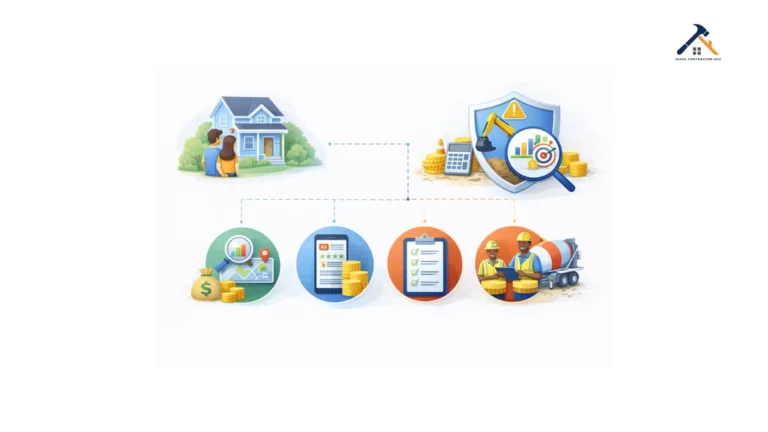


High intent foundation repair keywords emerge when homeowners move beyond symptom recognition and into decision readiness. These searches are shaped by fear of structural risk, concern about cost, and the need for professional validation before taking action.
Unlike informational queries, high-intent foundation repair searches signal that a homeowner has accepted the possibility of repair. The language becomes more specific, solution-oriented, and focused on evaluation, credibility, or next steps rather than general understanding.
This article explains what makes a foundation repair keyword high intent, how different keyword types reflect decision-stage readiness, and how search language evolves as homeowners move closer to contacting a foundation repair company.
What makes a foundation repair keyword “high intent”?
A foundation repair keyword is high intent when it reflects decision readiness rather than curiosity. These searches indicate that the homeowner has moved past noticing symptoms and is now evaluating professional involvement.
High-intent foundation keywords typically include action-oriented language, such as inspection, repair, evaluation, or correction. The searcher is no longer asking whether a problem exists, but how it should be addressed and by whom.
Another defining characteristic is risk acknowledgment. Keywords that imply structural danger, progression, or required action signal that the homeowner accepts potential consequences of inaction. This acceptance shortens decision timelines.
High-intent searches also reduce informational breadth. Instead of broad explanations, the language becomes narrow and specific, reflecting a shift from learning to execution. These signals distinguish hiring-ready searches from early research behavior.
How do foundation inspection keywords indicate hiring intent?
Foundation inspection keywords indicate hiring intent because they represent a request for professional validation, not self-diagnosis. The homeowner has reached a point where expert assessment feels necessary to move forward.
These searches often appear after symptoms and severity have been evaluated. Homeowners use inspection-related language when they want confirmation of risk, scope, and recommended next steps rather than general advice.
Inspection keywords also signal controlled engagement. Many homeowners prefer inspections as a lower-commitment entry point compared to direct repair searches, which reduces fear of being oversold while still initiating contact.
This stage reflects late mid-intent behavior. The homeowner is not yet selecting a repair method but is preparing to interact with a foundation repair company under defined, evaluative terms.
Because inspections are tied to diagnosis and recommendations, these keywords consistently produce qualified inquiries from homeowners who are ready to engage but still cautious.
How do structural damage and severity keywords signal urgency?
Structural damage and severity keywords signal urgency because they reflect a homeowner’s belief that the problem is active, worsening, or already beyond minor settling. These searches emerge when visible conditions feel too serious to ignore.
Keywords tied to cracking progression, foundation movement, sinking, or unevenness indicate that the homeowner has connected symptoms to potential structural failure. The focus is no longer on whether damage exists, but on how severe it has become.
Severity-based searches represent late mid-intent behavior with time pressure. Homeowners search to understand consequences, escalation risk, and timelines, often motivated by fear of further damage or loss of property value.
Urgency is amplified when multiple symptoms are present. When searches reference combinations of cracking, separation, and floor movement, they consistently correlate with readiness to seek professional intervention rather than continued observation.
These keywords convert well because they reflect an internal shift: the homeowner has accepted that the issue may be serious enough to require action.
How do repair method and solution keywords reflect late-stage intent?
Repair method and solution keywords reflect late-stage intent because the homeowner has moved from problem validation to solution evaluation. At this point, the question is no longer “Is there a problem?” but “Which approach fixes it?”
These searches reference specific stabilization systems, structural correction methods, or long-term mitigation techniques. The homeowner is preparing to assess recommendations rather than discover options for the first time.
Method-based keywords signal high control-seeking behavior. Homeowners want to understand permanence, disruption, and effectiveness so they can judge whether a proposed repair aligns with what they have learned.
This stage reflects late-intent readiness without final commitment. The homeowner is not shopping randomly; they are equipping themselves to evaluate contractors, ask informed questions, and avoid over-repair.
Because these keywords emerge close to contractor selection, they consistently indicate a homeowner who is nearing contact and evaluating credibility rather than continuing broad research.
How do cost and pricing-related foundation repair keywords indicate buyer readiness?
Cost and pricing-related foundation repair keywords indicate buyer readiness because they reflect a shift from uncertainty to financial validation. The homeowner is no longer asking whether repair is needed, but whether it is affordable and proportionate.
These searches focus on ranges, drivers, and variables, not exact quotes. Homeowners want to understand what influences cost—severity, repair method, access, and long-term stability—so they can mentally prepare for professional recommendations.
Pricing-related intent also signals risk acceptance. By engaging with cost language, homeowners acknowledge that repair may be unavoidable and are evaluating whether the investment aligns with property value and long-term risk.
This stage represents late-intent calibration. The homeowner is narrowing expectations and reducing shock, which makes subsequent conversations with contractors more productive and less defensive.
Cost-related keywords convert when pricing is framed as a process rather than a number. When homeowners feel informed instead of exposed, readiness to contact increases.
How do location and proximity modifiers amplify foundation repair intent?
Location and proximity modifiers amplify foundation repair intent by signaling provider selection, not problem discovery. When geographic language appears, the homeowner has moved into a narrowing phase focused on who can perform the work.
These modifiers reflect practical readiness. Homeowners are filtering for companies that serve their area, understand local conditions, and can realistically inspect the property within a reasonable timeframe.
Proximity language also reduces perceived risk. Local presence implies accountability, familiarity with regional soil behavior, and relevance to common structural patterns, which increases trust.
This stage represents post-intent execution behavior. The homeowner has accepted the need for professional involvement and is now identifying viable options rather than continuing research.
When location modifiers appear alongside inspection, severity, or method keywords, they consistently indicate that contact is imminent.
How do comparison and credibility keywords signal final-stage intent?
Comparison and credibility keywords signal final-stage intent because the homeowner is no longer evaluating the problem or the solution—they are evaluating who to trust. At this point, the search is about confidence, not capability.
These keywords reference experience, reputation, process clarity, and outcomes. Homeowners look for reassurance that a company will diagnose accurately, recommend proportionate repairs, and act in their best interest rather than oversell.
This stage reflects late-intent decision filtering. The homeowner is narrowing options to a short list and eliminating providers that feel vague, overly promotional, or inconsistent in explanation.
Credibility-based searches also indicate emotional readiness. After weeks or months of research, homeowners want certainty and stability. They use comparison language to confirm that a contractor aligns with their expectations of professionalism and transparency.
Because trust is the final barrier before contact, these keywords often precede direct outreach and represent some of the most conversion-ready searches in foundation repair.
How do homeowners’ keywords change right before contacting a foundation repair company?
Right before contacting a foundation repair company, homeowner keywords shift from evaluation to execution readiness. The language becomes concise, action-oriented, and focused on next steps rather than understanding.
Late-stage searches emphasize process and access. Homeowners look for inspections, scheduling, service availability, and what happens after contact. These searches reflect readiness paired with residual caution.
This phase represents post-intent behavior. The homeowner has accepted the likelihood of repair and is validating that engagement will feel controlled, informative, and non-confrontational.
Keyword repetition is common here. Homeowners revisit the same few sites, comparing consistency of explanations and tone rather than seeking new information. This narrowing signals imminent contact.
When search behavior reaches this stage, hesitation has largely been resolved. The homeowner is no longer researching foundation repair—they are preparing to act.
What factors affect whether high-intent foundation repair keywords convert into calls?
Even when search intent is high, foundation repair keywords do not always lead directly to contact. Conversion is influenced by fear of over-repair, clarity around inspections, pricing uncertainty, and whether homeowners feel safe initiating a conversation at that moment.
How does fear of over-repair suppress action?
High-intent searches often pause when homeowners worry that contacting a company will lead to unnecessary or excessive work. This fear causes hesitation even after severity and solutions have been accepted.
Why does inspection clarity influence conversion?
When homeowners do not understand what an inspection involves, they delay contact. Unclear expectations around cost, commitment, or outcomes increase perceived risk at the final decision stage.
How does pricing uncertainty delay contact?
Uncertainty around cost magnitude creates emotional friction. Even high-intent homeowners may continue searching if they cannot mentally prepare for the financial range involved.
When do homeowners return to research instead of calling?
Homeowners return to research when reassurance is incomplete. If explanations feel inconsistent or overly sales-driven, high intent resets back into validation mode rather than action.
How High-Intent Keywords Signal Readiness in Foundation Repair
High-intent foundation repair keywords emerge when homeowners move beyond awareness and into decision readiness. These searches reflect acceptance of risk, recognition of severity, and willingness to engage with professional evaluation.
Inspection language, severity indicators, solution-focused queries, pricing validation, proximity modifiers, and credibility comparisons each represent different expressions of late-stage intent. Together, they map the final stretch of the homeowner decision journey.
Understanding how high-intent foundation repair keywords function explains why some searches convert quickly while others stall. Conversion happens when search intent aligns with reassurance, clarity, and trust—allowing homeowners to move confidently from research into action.