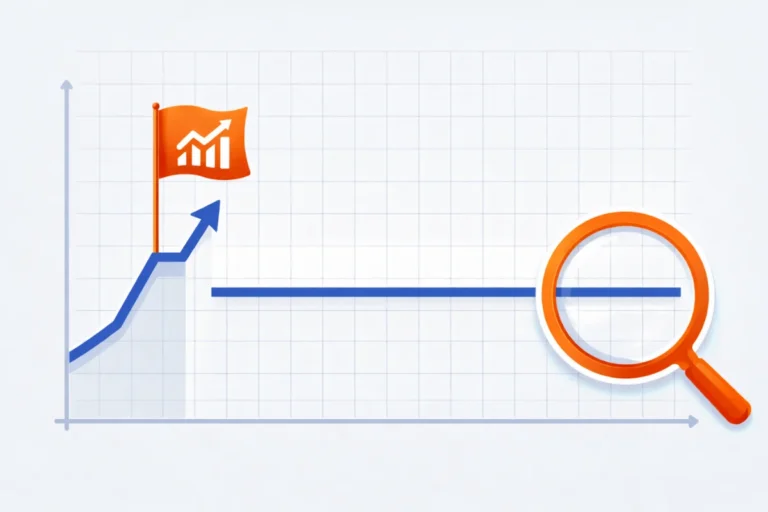


Missed calls are usually treated as a sales problem. Contractors assume unanswered phones mean lost leads, not lost visibility. In reality, missed calls and slow response affect how search engines evaluate whether a contractor deserves continued exposure—especially in call-driven local searches.
When homeowners search for a contractor, calling is often the first and fastest action. If calls go unanswered or responses are delayed, users abandon the interaction and choose another option. Search engines observe this behavior and begin adjusting visibility based on what appears to satisfy intent most effectively.
This article explains how missed calls hurt SEO by tracing the feedback loop between user behavior, response speed, and local visibility. Instead of offering fixes or tactics, it focuses on why SEO results quietly decline when responsiveness breaks—and why many contractors misdiagnose the cause.
Why Missed Calls Hurt SEO for Contractors
Missed calls hurt SEO for contractors because search engines evaluate satisfaction through outcomes, not intent. When a homeowner clicks a result and calls, that action signals high intent. If the call goes unanswered, the interaction ends in frustration. Search engines register this as a failed result, even though the contractor technically ranked and received the call attempt.
Contractor searches are often call-first interactions (users expect immediate human response). In these moments, the phone call is the conversion. When it fails, users return to search results and choose another listing. This rapid abandonment creates a negative engagement pattern that search engines use to reassess which businesses deserve visibility.
Missed calls also compress feedback. Unlike forms or emails, phone calls produce instant behavioral signals—answered or not, resolved or abandoned. Search engines prioritize results that consistently resolve intent quickly. Contractors who miss calls appear unreliable in practice, even if their SEO fundamentals look strong on paper.
Over time, repeated missed calls weaken confidence signals. Visibility doesn’t disappear overnight, but exposure during high-intent moments declines. This is why contractors often experience fewer leads without obvious ranking drops. Missed calls hurt SEO not by penalty, but by quietly disqualifying a business from urgent selection scenarios.
How Slow Response Creates Negative SEO Signals
Slow response creates negative SEO signals because time is interpreted as friction in contractor searches. When homeowners reach out and do not receive a timely response, the delay communicates uncertainty. Search engines observe this hesitation indirectly through abandonment, repeat searches, and selection of alternative results.
In call-driven scenarios, slow response often looks like a missed call followed by no immediate follow-up. Users rarely wait. They return to search results and contact another contractor, creating a failed interaction loop (intent expressed but not resolved). Search engines associate these loops with poor usefulness, even if the contractor technically ranks well.
Slow response also affects perceived availability. In local search, availability is part of relevance. Contractors who consistently respond quickly appear more useful for urgent needs. Those who respond slowly may still rank, but they are surfaced less often in moments where immediacy matters most.
Because these signals accumulate quietly, contractors often misattribute the decline. Rankings may remain stable while call volume drops. In reality, slow response teaches search engines that the business does not reliably satisfy intent—reducing exposure long before rankings visibly change.
Why Call-First Searches Amplify Missed Call Damage
Call-first searches amplify missed call damage because the phone call is the primary action, not a secondary option. In these searches, users expect to connect immediately. When that expectation fails, there is no fallback behavior like browsing pages or filling out forms—the user simply chooses another contractor.
Search engines recognize call-first intent through patterns: click-to-call actions, rapid selection, and short dwell time. When a contractor misses these calls, the failure is immediate and unambiguous. The user’s next move—calling a competitor—creates a strong contrast signal that the original result did not satisfy intent.
This amplification is especially pronounced in local results. Call-first queries are often paired with map listings and business profiles designed for instant contact. A missed call in this context doesn’t just lose a lead; it teaches the algorithm which listings resolve intent and which do not.
Because the feedback loop is fast, damage compounds quickly. A few missed calls during high-intent windows can disproportionately reduce future exposure in similar searches. That’s why contractors can see sudden drops in call volume without obvious changes elsewhere—call-first behavior magnifies the cost of every missed interaction.
How Local Pack Algorithms React to Missed Calls
Local pack algorithms react to missed calls by reweighting which businesses are shown during high-intent moments. The local pack is designed to surface contractors who can resolve needs quickly. When users attempt to call a business and abandon the interaction, search engines infer that the listing failed its primary purpose.
These reactions are not penalties. Instead, they are selection adjustments (changes in which listings are prioritized based on observed usefulness). Listings that consistently lead to resolved interactions—answered calls, completed directions, sustained engagement—are favored. Listings associated with abandoned attempts are gradually deprioritized in similar search contexts.
Because local pack visibility is highly behavior-sensitive, small patterns matter. A contractor may remain listed but appear less often for urgent or call-driven queries. This creates the impression that SEO performance is intact while lead flow quietly declines. The algorithm is responding to outcomes, not to on-page signals.
This is why contractors often struggle to connect missed calls with SEO decline. The change happens in who gets shown when it matters most, not in overall rankings. Local pack algorithms continuously learn which businesses convert intent into resolution—and they adjust visibility accordingly.
Why SEO Results Decline Without Ranking Drops
SEO results can decline without ranking drops because visibility and selection are not the same thing. Rankings measure position, but results depend on whether a contractor is chosen when intent is high. When missed calls or slow responses occur, search engines adjust when and how often a listing is shown, not necessarily its average position.
This creates a misleading situation. Rankings reports look stable, impressions may still appear healthy, but calls decrease. What’s actually changing is exposure quality—the contractor is being shown less frequently during urgent, call-driven searches where conversions normally happen. The listing hasn’t fallen; it has been bypassed in critical moments.
Search engines learn from repeated outcomes. If a contractor’s listing is associated with unresolved interactions, it becomes a weaker candidate for high-intent placement. Over time, visibility shifts toward competitors who consistently convert calls into completed interactions, even if their rankings look similar on paper.
This is why contractors often misdiagnose the problem. SEO didn’t “stop working.” It adjusted away from a business that appeared less reliable at the moment of action. Declining results without ranking drops are a hallmark of behavior-driven visibility decay, not technical failure.
How Repeated Missed Calls Change Visibility Over Time
Repeated missed calls change visibility over time because search engines build behavioral memory. Each unanswered call adds to a pattern that signals unreliable resolution. Individually, a missed call may seem insignificant. Collectively, they shape how confidently a contractor is surfaced in future searches.
Search engines do not react instantly with dramatic drops. Instead, they progressively reduce exposure in high-intent scenarios. Contractors may still appear for informational or low-urgency searches, but they are shown less often when users are most likely to call. This gradual shift is why visibility decay often goes unnoticed until lead flow has already fallen.
Over time, this pattern creates a widening gap. Competitors who consistently answer calls accumulate positive resolution signals, while missed calls accumulate friction signals. The algorithm reallocates trust accordingly. The outcome is not punishment—it is preference based on observed success.
This long-term effect explains why fixing SEO inputs alone doesn’t restore results if responsiveness remains broken. Visibility is earned through repeated successful interactions. When missed calls persist, the system learns to favor other options, and recovery requires rebuilding that behavioral confidence over time.
Why Contractors Don’t Realize Missed Calls Are Hurting SEO
Contractors often separate marketing performance from operational issues. Missed calls are treated as scheduling or staffing problems, while SEO is evaluated through rankings and traffic reports. This separation hides the connection between responsiveness and visibility, even though search engines evaluate outcomes, not intent.
Do missed calls hurt SEO for contractors?
Yes, missed calls hurt SEO for contractors because unanswered interactions signal unresolved intent. When users abandon a call attempt and select another business, search engines interpret that behavior as dissatisfaction. Over time, this reduces how often the contractor is shown in high-intent searches.
How many missed calls hurt SEO?
There is no fixed threshold where missed calls suddenly hurt SEO. Search engines respond to patterns, not single events. Repeated missed calls during call-first searches gradually weaken confidence, even if overall call volume seems low.
Can slow response time hurt SEO without penalties?
Slow response time can hurt SEO without any penalties or ranking drops. Visibility adjusts quietly through reduced exposure during urgent searches. Contractors often see fewer calls while rankings appear unchanged, leading to confusion about the cause.
Why does SEO drop after missed calls increase?
SEO results drop after missed calls increase because search engines reallocate visibility toward businesses that resolve intent more reliably. The decline reflects behavioral feedback, not technical failure. The system is responding to what users choose next.
What Missed Calls Hurting SEO Really Means for Contractors
When missed calls hurt SEO, it doesn’t mean a contractor is being punished. It means search engines are learning which businesses actually help users complete their goal. SEO visibility is not a reward for ranking—it is a preference for resolution.
Contractors who miss calls or respond slowly often remain visible, just not when it matters most. Exposure shifts away from urgent moments toward lower-intent scenarios. This is why lead flow drops before rankings do.
Understanding this reframes SEO performance. Missed calls are not just lost opportunities; they are negative feedback signals. When responsiveness breaks, SEO doesn’t fail—it adapts. And when that adaptation is misunderstood, contractors chase the wrong problems while visibility continues to erode quietly.